Tag: brand development

  • Branding Researching: Look and Feel

    Branding Researching: Look and Feel

    Branding Researching: Look and Feel

    graphic design

    Look and feel is an important component of graphic design. The entire design process begins with selecting the right look and feel. A graphic designer considers how each element of the graphic will relate to the overall look and feel for the site. The key elements involved in developing the look and feel of a website are color, layout, images, photos, typography, and background. While there are a number of design techniques that can be used to achieve specific results, these techniques can be combined to achieve more seamless design.

    User Interfaces

    Look and feel in user interfaces often serves two very important purposes. First, it gives brand identification, helping to differentiate a particular brand from another. Second, it enhances ease of usability, as users will become more comfortable with how one particular product works (reads, looks, etc.) A good graphic designer has a toolbox full of innovative ideas for user interface design that will help enhance the look and feel of your site.

    Importance of Brand Identity

    Brand identity is the cornerstone of any successful business. Good graphic designers know how to craft brand guidelines that will enhance brand identity while also conveying a consistent message. In fact, brand guidelines can be one of the most challenging components of a graphic design project because they will need to be flexible enough to accommodate new messages that may emerge during the development process.

    Ux Design

    User experience design is highly technical, because the entire design process hinges on the satisfaction of the customer. For this reason, graphic designers typically have to plan out the complete visual presentation of a website in the user interface. This includes everything from page layouts, wireframe development, widget tools, icon set up, and color scheme planning. They must also brainstorm about brand standards, navigation, and navigation solutions so that everything is clearly readable and intuitive to users.

    User experience (UX) design takes into consideration the mental models that people form when they navigate a website. The most important part of a good user experience (UX) process involves research. A brand identity should be researched so that it can be accurately determined what behaviors result in buying or subscribing to a certain brand. Brand guidelines should also be developed so that usability can be examined and analyzed. These steps are usually considered the third step in the e.g. branding, visual design, and functionality, which combine to create the final branding vision.

    Brand Guidelines

    A successful visual and functional designer also needs to apply brand guidelines in the interface design. Brand guidelines can include anything from typography, color schemes, and graphics to navigation options and navigational elements (such as search boxes and buttons). They can also be general or specific. For example, a green background in a photo of an infant would be very different from the color palette used for an online banking website. While some website elements, such as drop down menus, can be changed through the layout process, most interface elements cannot.

    Brand Development

    After all the research and planning is complete, brand development is the next step in the user experience and interface design process. A strong brand identity and consistent visual design are necessary for a successful branding campaign. Branding experts typically work with graphic artists, web designers, and marketing managers. In addition, a strong marketing strategy is also necessary to spread the word about a brand and increase its visibility in the market. For example, spending on TV commercials, social media posts, and in-house promotions could greatly improve the business’s profitability.

    Once all these elements are in place, brand development takes over and final visual updates and enhancements are made. User testing is one of the last steps in the process. Users are given the chance to test the product, and negative feedback is taken into account. Brand research is crucial to making successful modifications and updates in the look and feel design process.

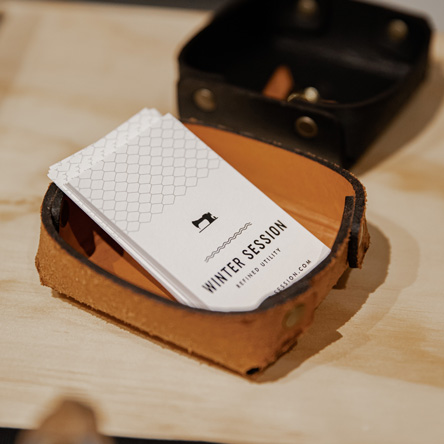
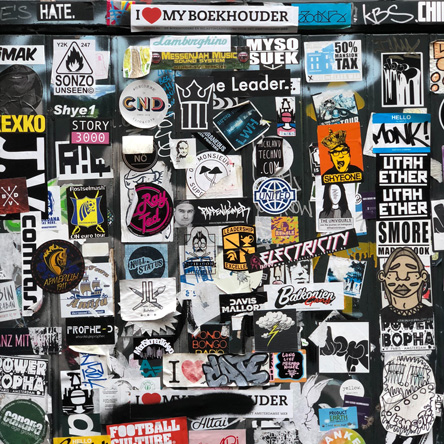
    Enjoy this brand’s literal look and feel:

    Question

    What would you say is the most important look and feel element and why? 

    Links:

     
  • 7 Tips For Creating Brand Identity Visualisation

    7 Tips For Creating Brand Identity Visualisation

    7 Tips For Creating Brand Identity Visualisation

    Branding can be one of the most important things that you can invest in for your business. Great branding brings instant recognition of worth, separates you from the competition, communicates trust and credibility, and builds and supports customer loyalty. Good branding is how people will recognise great performance before they actually experience it. When a potential customer or client experiences your brand, their first thought is usually of your product or service. The more carefully you position your brand on all of these important factors, the better off you’ll be. Let’s take a look at a few important components of brand positioning for your business.

    Branding Tip 1:

    Your visual elements play an important role in branding because they immediately “show” your company apart from your competition. If your competitors are using the same colours, logo, and page layout as your business consumers will assume that you’re also using the same criteria for choosing design and colour, and this helps to spread the message that you want your audience to understand your value what they have to offer. In essence, you’re competing with them on visual design, so it’s critical that you stand out from the crowd. If you are using graphics or artwork, make sure you choose high quality pieces that are visually impactful and provide plenty of detail that sets your design apart from your competitors’. Be careful not to overload your page – keep it simple but elegant.

    Branding Tip 2:

    Identity: There are a number of ways to improve your brand identity. One of the key components of branding is that it should feel like you. Research has shown that consumers subconsciously pick brands that make them feel like you. That means that you must be an individual brand within a sea of mass brands, and you must be unique enough not to fall into the trap of copycatting other companies. Creating a feel-good persona is central to creating a successful branding strategy.

    Branding Tip 3:

    Visual identity Designing your logo and branding can go hand in hand; visual identity should be strongly linked to your branding. The identity should be the first thing that people see, as well as a consistent colour and theme throughout your brand. A branding tip is to use a single image, graphic or symbol to represent your identity throughout your website, marketing material, and print advertising. It’s important to remember that your visual identity needs to be consistent, so feel free to experiment with different elements to see which one brings the most success.

    Branding Tip 4:

    Your audience is constantly changing, and so should your branding. This means that you need to make sure that your current identity is relevant to the brand identity you’re developing. Consumers will quickly tire of websites that don’t change much, or sites that are hard to navigate or follow. A strong visual identity will make sure that visitors know where to find you, where your contact details are and how they can get in touch with you – all while ensuring that your website is fresh, up-to-date, and easy to use.

    Branding Tip 5:

    Branding is all about balance. When creating your visual language, it’s important to remember that you don’t want to be overwhelming. Simplicity and balance are keys to achieving this. For example, you might feel that having a clear navigation menu is a good branding tactic. While having a clear navigation menu does contribute to this, it could also cause too much clutter to the page. Balance is the key here; if you have too much information on your menu bar then people will get distracted, and then they won’t understand what they are searching for.

    Branding Tip 6:

    Color Palette Another important aspect of branding is the color palette used on your website or marketing material. The colour palette is not just an accessory, but it is essential to create a visual identity. The color palette used in branding must communicate to the consumer why they should choose your brand, where you are located and how to contact you. Don’t be afraid to change the colours sometimes, and this is especially important if you are going for a global audience. Sometimes going with a more neutral or grey color palette can help people connect better to your brand identity.

    Branding Tip 7:

    Create Visual Signage: A visual image or graphic can be as simple as a company logo, but the important thing here is that the graphic creates brand recognition immediately. Many times visual images are created using stock photography from websites, images found in books, and illustrations from other sources. All of these things contribute to visual branding but using these visual cues together creates a powerful branding message.

    Question

    What branding tip is your favourite in your opinion and why?

    Links:

    Branding